
Manifestation works! ✨ But it’s not just magic—it’s about the work you put in.
I consider myself incredibly fortunate to be in a profession that was always my dream. I want to share the journey of how the dream of an 11-year-old kid became a reality. Today, there are newer dreams and an unsatiated hunger to achieve them, but experiencing success once in your life gives you the optimism and courage to pursue even bigger goals.
The early sparks… I remember being asked that classic school question: “What do you want to be when you grow up?” When my 6-year-old self heard that for the first time, the answer was “a scientist”. I didn’t exactly know what a scientist did, but I knew they were knowledgeable and solved real-life problems. To me, the pursuit of knowledge was always incredibly fascinating.
Fast forward five years, and my dad brought a computer home. It was something no one in our neighborhood had, becoming an instant bragging right for my family. Some of my core memories revolve around playing Road Rash with my elder brother—he would steer the bike, and I was in charge of mashing the spacebar to kick nearby racers.
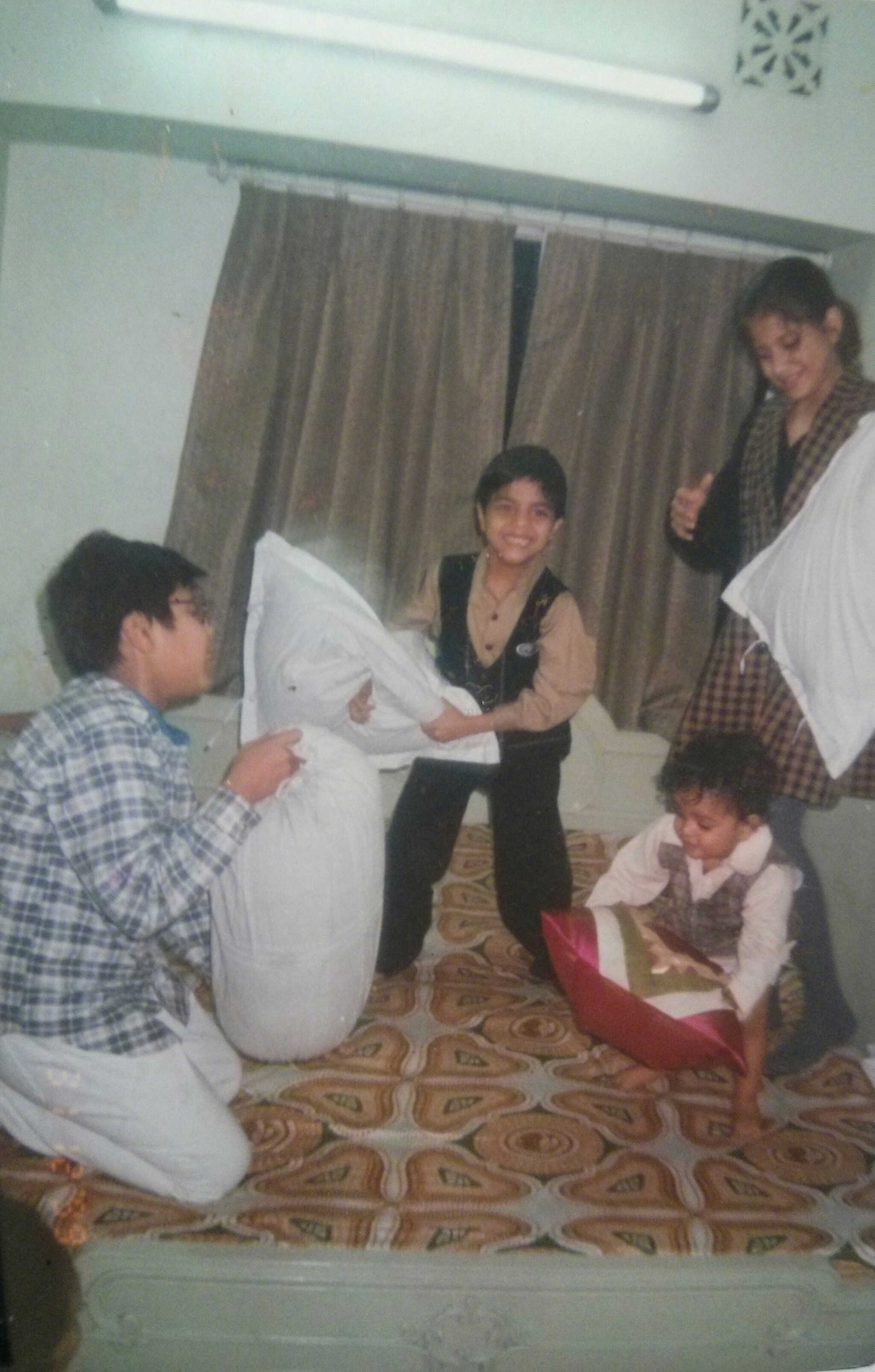
Beyond gaming, I was captivated by how these complex machines worked. I knew then that I wanted to be a computer scientist. I would often dig into machines, try to pry them open, observe their intricate parts, and attempt to reassemble them (which, admittedly, failed half the time).
By the time I reached the 5th grade, coding was formally introduced to me, and it was love at first sight. The first languages I learned were LOGO and HTML. They were simple, but they ignited a hunger in me for more. In the 6th grade, I met my first “proper” programming language: GWBASIC. This was followed by QBASIC in the 7th and 8th grades, and eventually my first production-grade language, Java, from 9th to 12th grade. The puzzle pieces of how software was actually built were finally coming together.
Enter the smartphone… Around this time, the era of touchscreens began, closely followed by the smartphone revolution. My elder brother got a Nokia 5800 XpressMusic, and later, a Samsung Galaxy S2. I was completely fascinated by these devices—how they worked, how apps were built, and the magic behind the glass.
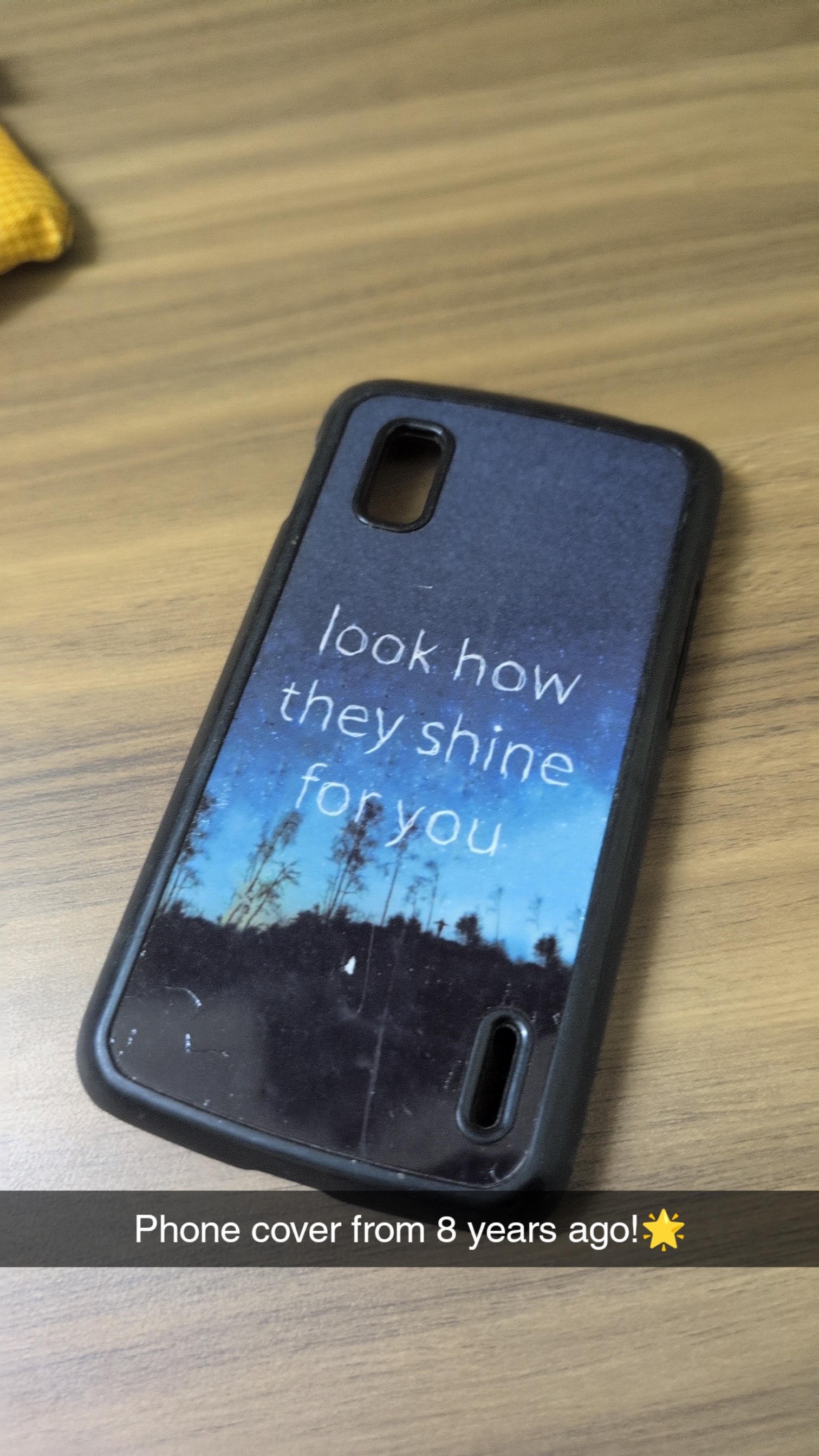
In the 10th grade, I got my first Android phone: the Nexus 4. It was a Google phone, and arguably the best thing that ever happened to me tech-wise. I was hooked on the Android ecosystem and became absolutely certain that I wanted to build apps for it. To this day, I would say the Nexus 4 was the best phone I’ve ever owned. It made me fall in love with Google, sparking a long-held dream of working there someday.
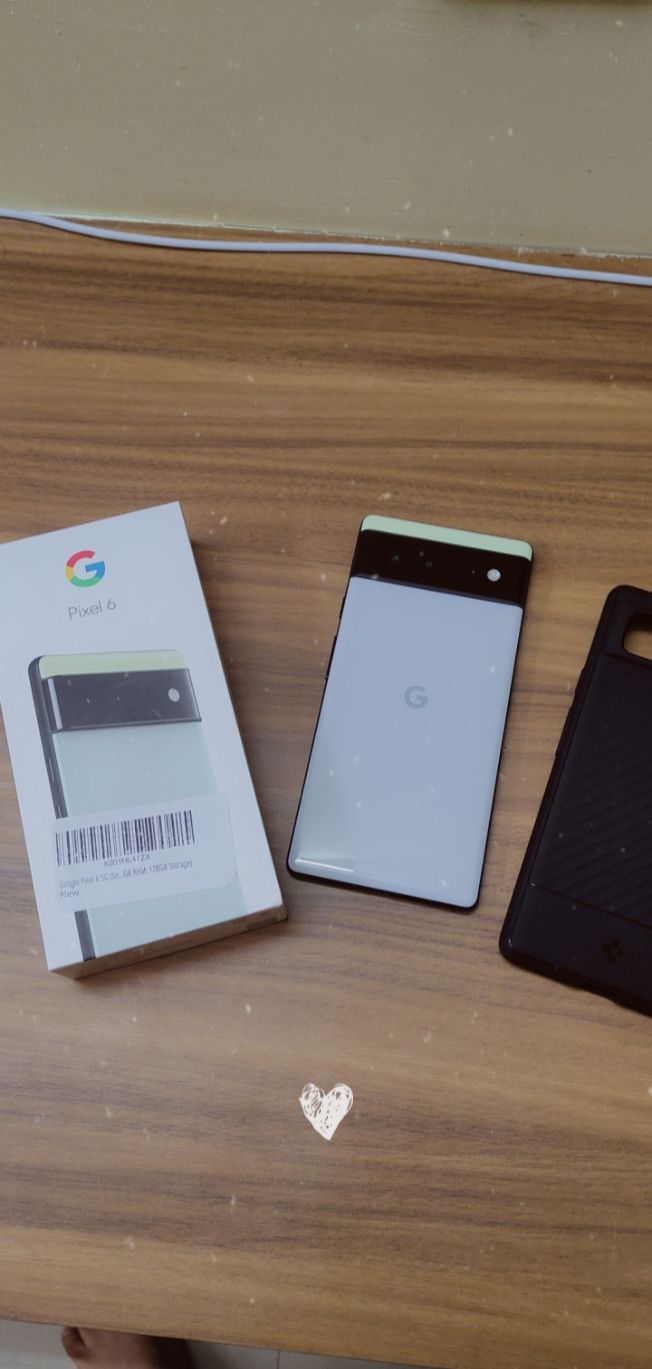
A bit of rebellion… Growing up in a business-oriented family, I didn’t have anyone to guide me in the tech direction I was heading. While I was certain I wanted to be a software engineer, I learned quite late about the realities of the Indian education system. To pursue computer science at a top college, I had to crack the JEE and get into an IIT.
This exam had a massive syllabus entirely focused on Physics, Chemistry, and Mathematics (PCM). Being a stubborn teenager, I vowed to only study Computer Science and programming, because that was my true passion. It made zero sense to me why I needed to master PCM just to write code. It’s fair to say I didn’t have the best judgment back then! I studied for exactly one week prior to the exam and flunked it spectacularly, landing a 7-digit rank in JEE Mains.
Instead of studying, all my time was poured into programming. In school, our Java curriculum was limited to a basic terminal interface using scanner inputs and print statements. Pushing these boundaries, I decided to build a simple Tic-Tac-Toe game. It became a huge hit among my classmates, making me quite popular in school. My friends and I became competitive, constantly trying to one-up each other with more complex games. Before long, we were building terminal-based masterpieces like BlackJack, Poker, and my personal favorite, an animated game called WalkMan.
Here’s a fun detour: with the help of Claude, the very terminal games my friends and I built in Java during our school days are now playable right here in the browser! Pick a game from the menu below and have fun.
Reality checks… Around this same time, my family was hit hard financially. My elder brother had just cleared his CA exams and immediately had to step into the family business to keep things afloat. Seeing my father and brother working tirelessly, I wanted to help.
My brother mentioned a recurring problem: calculating the exact costing of products on a daily basis. I saw an opportunity to automate this using code. I worked relentlessly and built a .jar desktop application that would take product details, fetch necessary information from a database, and calculate the final cost. I was immensely proud of my creation! However, when I finally pitched it to my brother, it was never used. Not even once. It was my first harsh lesson in building software: just because you build it, doesn’t mean they will use it.
Reality hit me even harder when that 7-digit JEE rank arrived. I realized passion alone wouldn’t get me into a good college; I had to play the game. The next chapter of my life involved packing my bags for Kota, slogging for an entire year, and giving the exams another shot. I wasn’t sure if I had it in me, but I managed to crack it on my second attempt! I secured a seat at one of India’s premier computer science institutions, IIIT Hyderabad. From there, the trajectory of my life changed entirely.
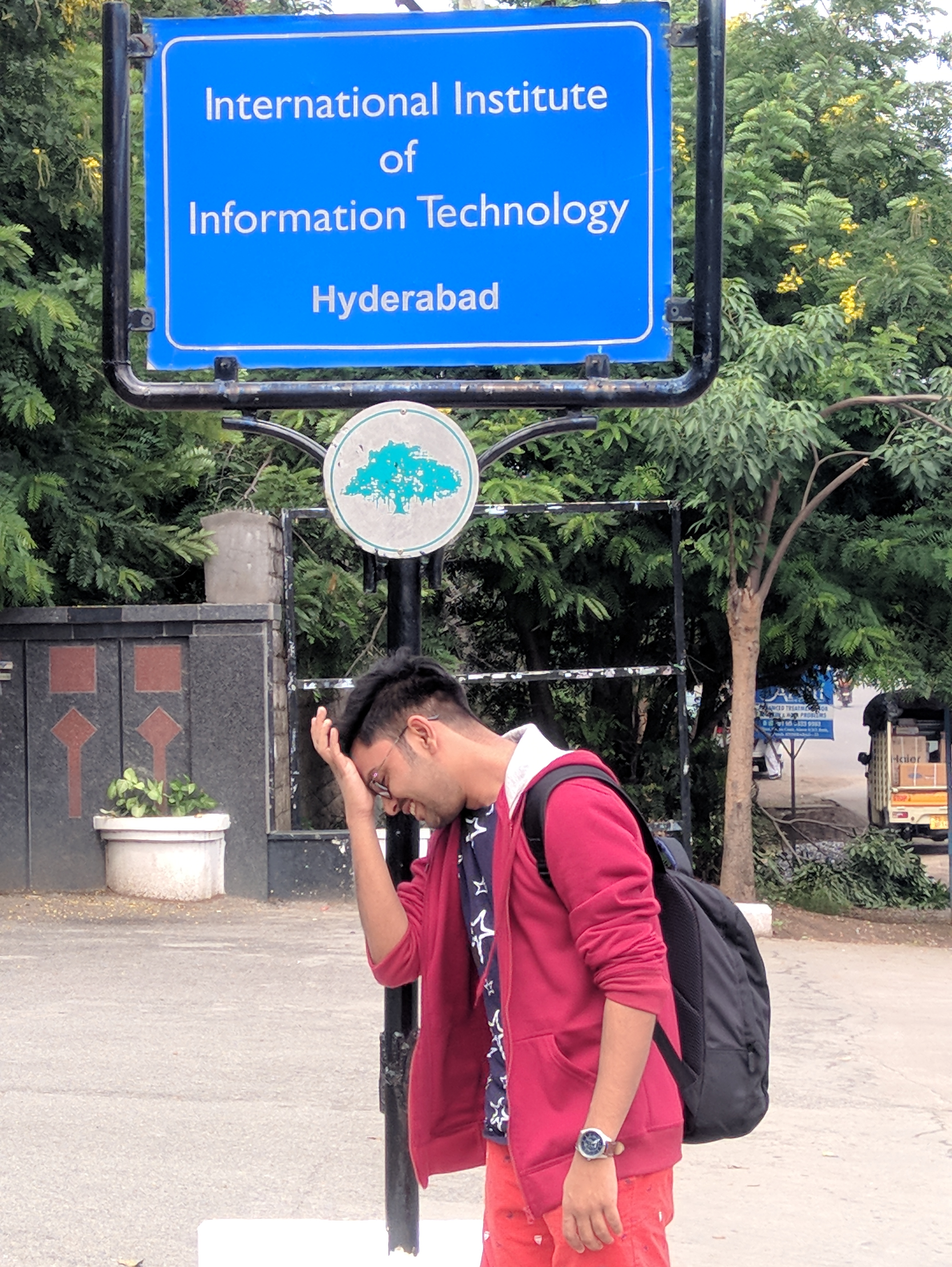
The fast lane… My professional career began at Sprinklr as a Machine Learning Product Engineer. I had always been fascinated by AI and ML, and Sprinklr gave me the absolute perfect runway.
I was given the autonomy to pick my projects and own them end-to-end. I loved the blazing speed at which we moved. In a relatively short span, I successfully took three ML products from mere ideas to full-scale production. It was a thrilling cycle of ideation, building, and deploying. I owe a lot to Sprinklr for giving me such a solid foundation; I don’t think I could have covered that much breadth of engineering anywhere else.
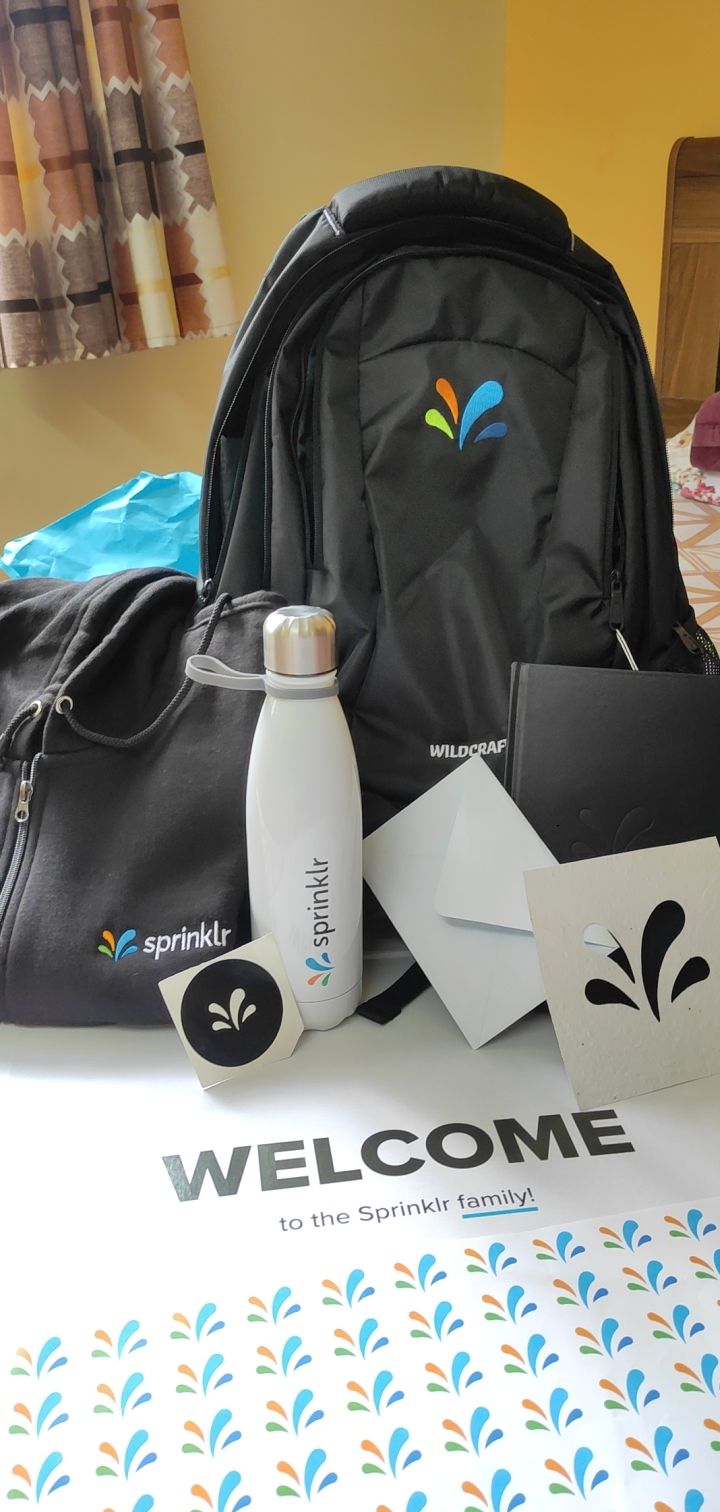

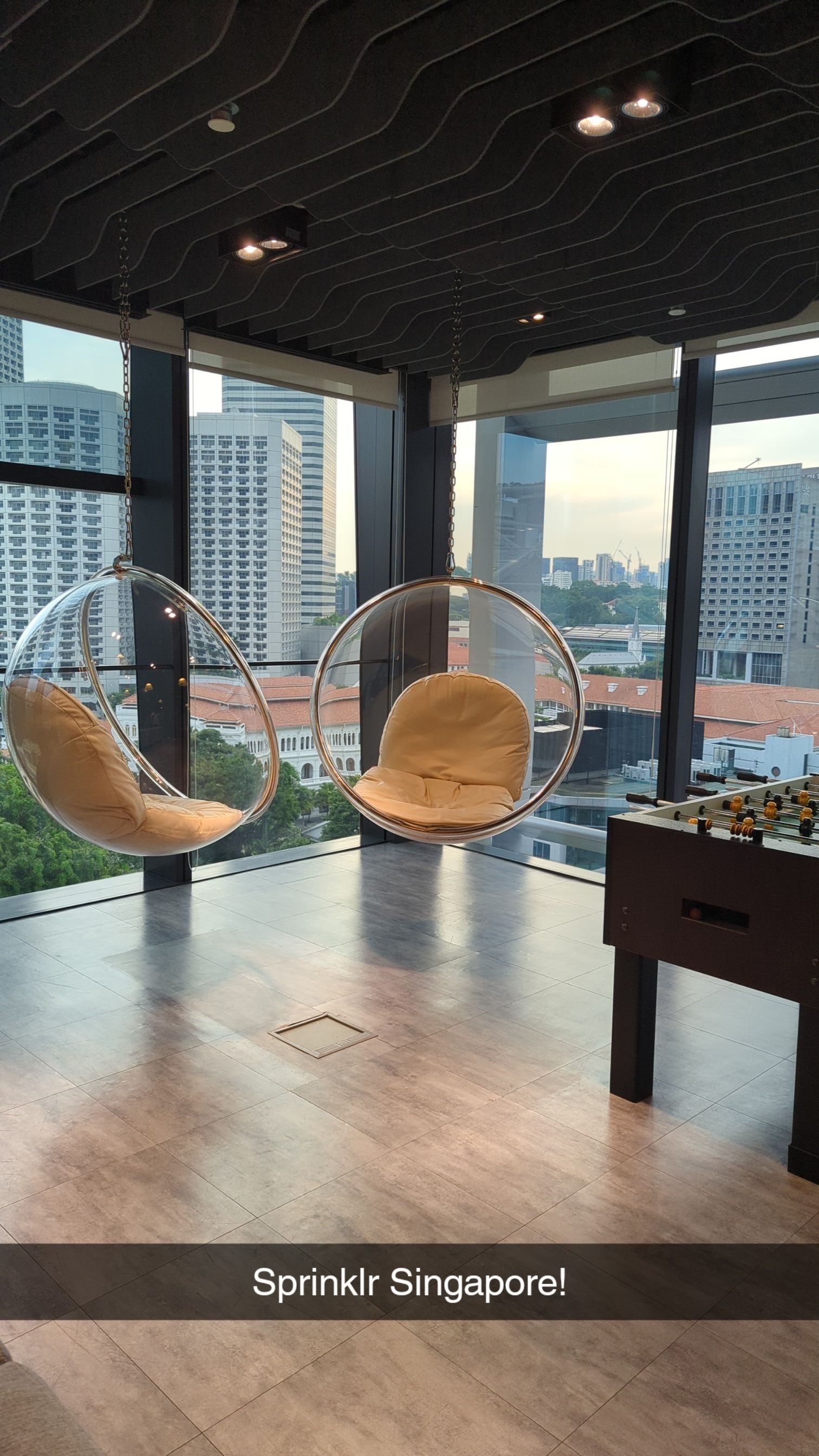
As luck would have it, the industry was simultaneously seeing explosive growth in Natural Language Processing (NLP), the exact niche I was working in. This alignment of timing and hard work resulted in fast promotions and great hikes.
But eventually, it was time to move on. Why? Two reasons: I wanted to move to Bangalore (I wasn’t a fan of the Gurgaon location), and more importantly, I wanted to keep the promise I had made to that 10-year-old kid holding a Nexus 4. I was going to Google.
The dream realized… Before joining Google, I had built up massive expectations in my head. To be completely honest, the reality didn’t immediately align with the fantasy.
The cultural shift from Sprinklr to Google was stark. Sprinklr operated with a scrappy, fast-paced startup mindset where technical and product learnings happened at warp speed. Google, on the other hand, is a massive behemoth. Things move slower, processes are heavier, and the cogs of the machine take time to turn.
While I went in expecting purely technical hyper-growth, what I actually gained was entirely different, yet equally valuable. Google taught me the “soft” engineering skills that differentiate good developers from great ones: how to navigate deep ambiguity, how to effectively communicate complex ideas across massive teams, and how to present and advocate for your work.
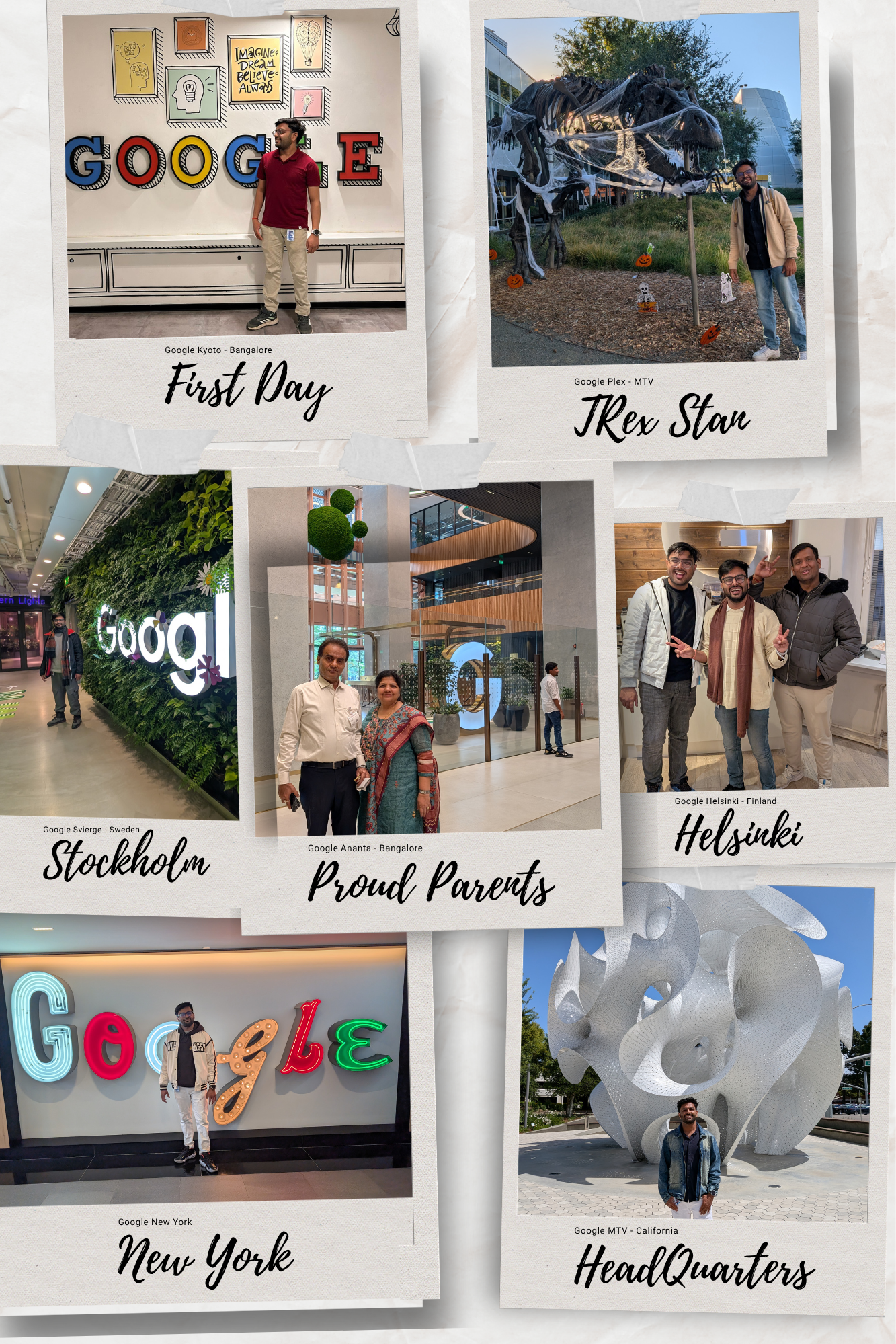
Looking ahead… When I look back at the journey—from kicking bikers in Road Rash, to stubbornly refusing to study Chemistry, to writing terminal games, and eventually navigating the halls of Big Tech—I realize that manifestation is just the starting line. The real magic happens in the hours of compiling errors, the failed business application pitches, the grueling year in Kota, and the willingness to keep learning.
The 11-year-old kid’s dream came true, but the journey is far from over. There are new dreams to chase and new code to write.
Loading comments...